


What’s new?

What we do
Through collaborative efforts, we strive to create sustainable health solutions, promote evidence-based practices, and develop a future-ready healthcare workforce.


Research Based Interventions
Designing data driven human centered interventions.
Explore Research Projects ›
Entrepreneurship & Innovations
Developing out of box solutions to solve complex public health challenges.
Explore Initiatives ›
Academic Excellence
Training the workforce through interdisciplinary programs and curriculum pathways.
Explore Training Programs ›
Technology Based Solutions
Building relevant tools to enable evidence informed solutions.
Explore Digital Health Innovations ›
Employment Creation and Readiness
Empowering individuals to make the world a better place through research, innovation, skills and entrepreneurship.
Explore the RISE Initiative ›
Student Centered
Preparing community of learners, practitioners and leaders through experiential learning & mentorship opportunities.
Explore Opportunities ›Unlock your career
FHTS offers several opportunities for all who are interested in population health research, and design, development and implementation of technology enabled interventions to make data meaningful and address growing challenges of the 21st century. FHTS has created programs and opportunities for individuals interested to solving these challenges using data driven, evidence-based, interventions, programs and policies that can facilitate informed decision making.
v-INSPIRE
A Virtual Interactive Novel Support Program for Innovation, Research, and Entrepreneurship aims to address population health challenges of the 21st century. v-INSPIRE focuses on addressing the 21st-century health challenges through a virtual platform that facilitates learning, collaboration, and innovation.

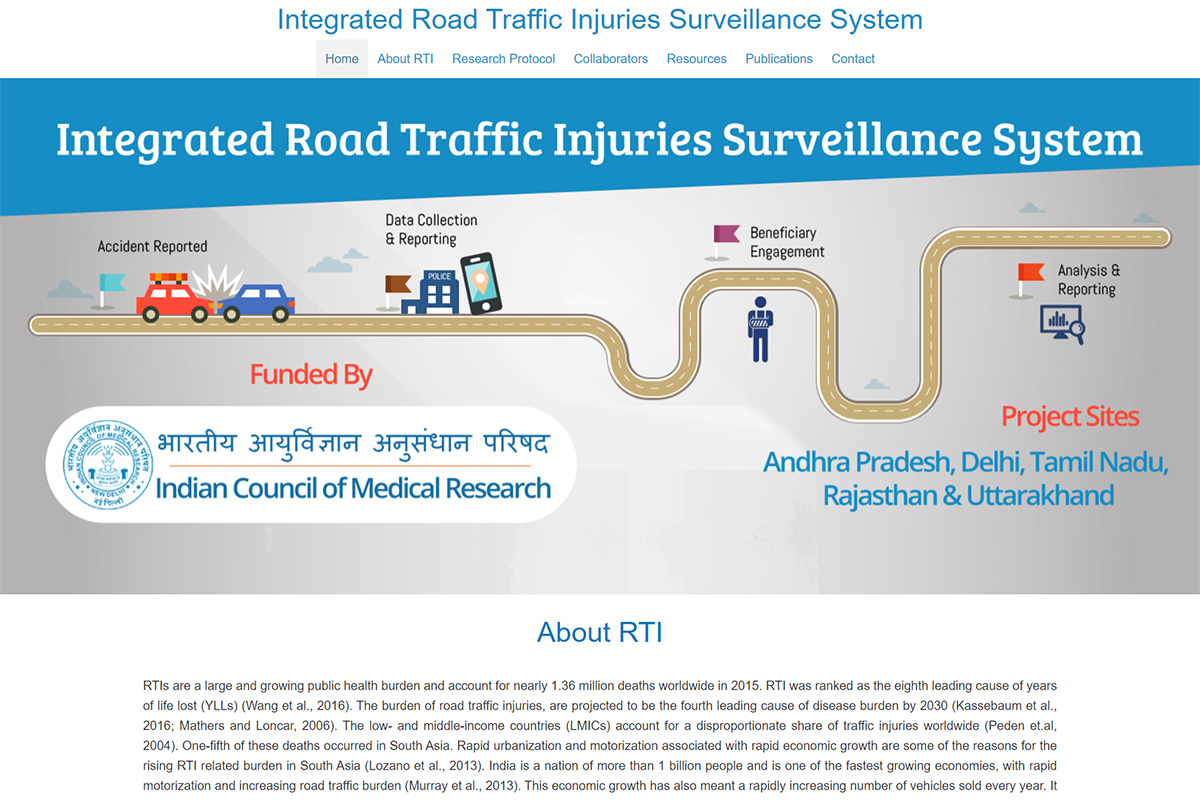
Enhance self-management of Metabolic Syndrome
The ICMR-funded study aims to design, develop, and pilot test an interactive, tailored, internet—and mobile-enabled digital health intervention to enhance self-management of MetS among individuals living in urban poor settings of Delhi, India.
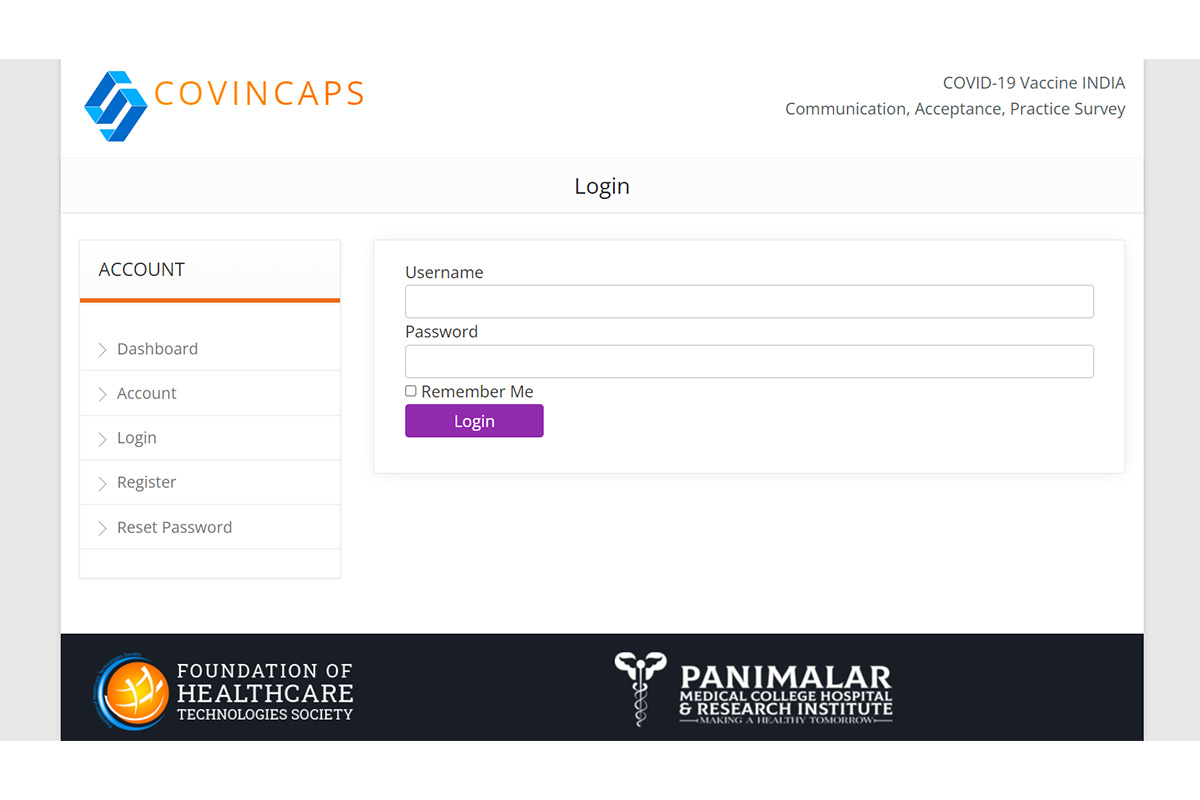
Digital Health Innovations
Interactive dashboards for smarter healthcare analysis and decisions

Topic: AI Governance and Regulation for Public Health Systems
Facts about FHTS
We are social
See what’s happening ‘socially’
Day 1 | IAPSM UP-UK CON 2026
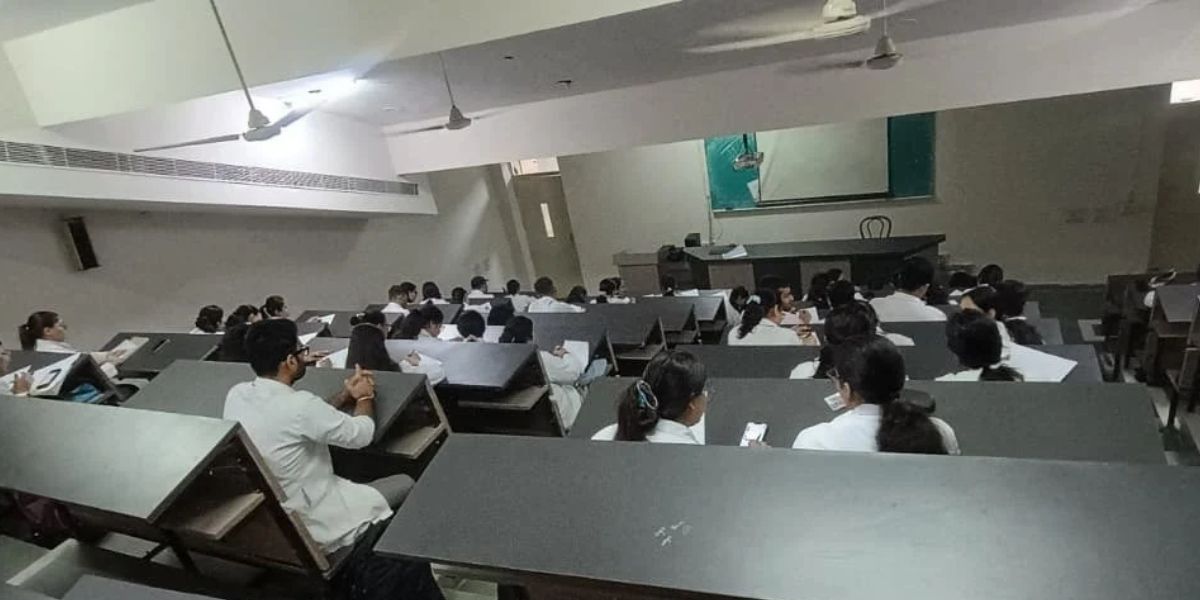
The Foundation of Healthcare Technologies Society (FHTS) team joined the 29th Annual Conference of the Indian Association of Preventive and Social Medicine (IAPSM), Uttar Pradesh–Uttarakhand State Chapter (IAPSM UP-UK CON 2026), in Srinagar Garhwal, Uttarakhand.
The conference is organised by the Department of Community Medicine, Veer Chandra Singh Garhwali Government Institute of Medical Sciences and Research (VCSGGIMS&R), Srinagar Garhwal, Uttarakhand. This year’s theme is “Advancing Universal Health Coverage through Climate-Resilient and AI-Enabled Public Health.”
Day 1 brought together public health professionals, educators and students for a programme that included research workshops on evidence synthesis for health research, with a practical session on meta-analysis, and a qualitative research workshops. Sessions like these strengthen the skills that evidence-based public health depends on.
For FHTS, taking part in the conference was an opportunity to learn, exchange ideas and connect with colleagues and institutions working towards stronger, more resilient health systems.
Our thanks to the organisers at VCSGGIMS&R for the warm welcome and for bringing the public health community together in Srinagar.
Indian Association of Preventive and Social Medicine (IAPSM)
Ashish Joshi, PhD,MBBS,MPH
#IAPSMUPUKCON2026 #IAPSM #PublicHealth #UniversalHealthCoverage #ClimateResilience #AIinHealth #FHTS #SMAART
Oct 26


📢 Class Commencement on 24 October 2026!
Are you ready to begin your learning journey in Health and Nutrition Informatics (HNI)?
We are excited to announce that our Certificate Program in Health and Nutrition Informatics (HNI) will commence on 24 October 2026!
🌟 Why Join This Program?
Gain practical skills in health and nutrition data analysis.
Learn about health and nutrition informatics tools.
Explore career opportunities in the field.
Understand how data-driven solutions can improve health outcomes.
⏰ Hurry Up! Registrations Are Open
Don’t miss this opportunity to enhance your knowledge and skills. Register for the course today and be a part of this learning journey!
📅 Application Deadline: 22 October 2026
🔗 Register Now: https://admissions.fhts.ac.in/
📚 Learn More About the Program: https://fhts.ac.in/program/health-and-nutrition-informatics-hni/
Join us and take the next step towards building your future in health and nutrition informatics!
#FHTS #HealthInformatics #NutritionInformatics #PublicHealth #HealthcareAnalytics #DataDrivenHealth
Oct 17

On World Food Day, October 16, 2026, students from the Public Health Clubs in Kolhapur joined FHTS in observing the day.
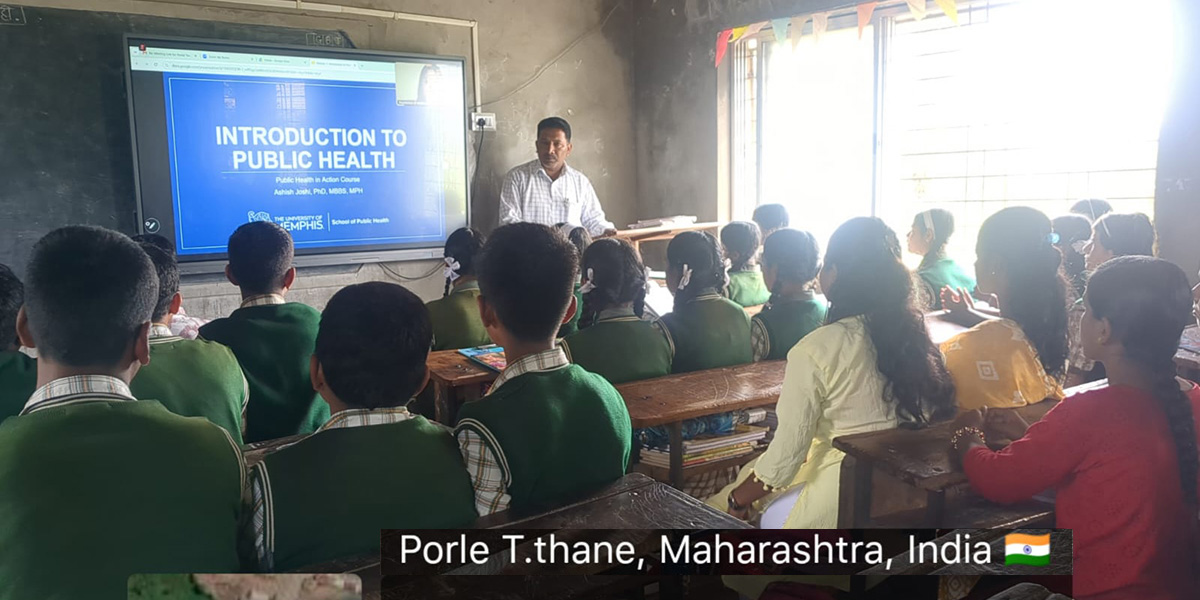
Foundation of Healthcare Technologies Society (FHTS), University of Memphis School of Public Health, and Zilla Parishad, Kolhapur, Maharashtra, under a joint collaborative initiative, are bringing the Model of Public Health Education to High Schools by using the Public Health in Action curriculum and establishing public health clubs across 50 high schools in Kolhapur, Maharashtra. This first-of-its-kind initiative is engaging more than 1,500 students as public health ambassadors across all 12 blocks of Kolhapur.
The day brought students together to reflect on the food they eat every day and how those choices shape their health and the health of their communities. For young public health ambassadors, understanding the link between nutrition and well-being is one of the first steps toward building healthier schools and villages.
Activities like this remind us that good nutrition begins with awareness, and that the habits we build early shape our health for years to come.
Our thanks to the students, teachers, and the Zilla Parishad team for their participation in this multi-site observance across the FHTS SMAART Centers and our collaborating institutions.
www.fhts.ac.in , www.smaartlab.org
call us on +91-8527897771 or write to us [email protected]
#RealVoicesRealChange #WorldfoodDay #foodday
#PublicHealth #PublicHealthInAction #FHTS #SMAART #Kolhapur #RealVoicesRealChange
Oct 17

On World Food Day, October 16, 2026, students of SDRV Convent School, Dankaur, Uttar Pradesh joined Foundation of Healthcare Technologies Society (FHTS) in observing the day.
The Public Health Club at SDRV Convent School was established by Dr. Ashish Joshi, PhD,MBBS,MPH, Dean and Distinguished University Professor, University of Memphis School of Public Health, as the first of its kind in India. Foundation of Healthcare Technologies Society (FHTS) had the opportunity to contribute to this initiative under Dr. Joshi’s leadership.
Students created posters on the theme of “Fast Food vs Fit Food,” reflecting on how everyday food choices affect our health. Their work highlighted the difference between a healthy liver and a fatty liver, and carried simple, practical messages: avoid smoking and alcohol, exercise regularly, and stay hydrated. It was encouraging to see young learners express these ideas so clearly and creatively.
Activities like this remind us that good nutrition begins with awareness, and that the habits we build early shape our health for years to come.
Our thanks to the students of SDRV Convent School for their enthusiastic participation in this multi-site observance across the FHTS SMAART Centers and our collaborating institutions.
www.fhts.ac.in , www.smaartlab.org
call us on +91-8527897771 or write to us [email protected]
#PublicHealth #PublicHealthClub #FHTS #StudentVoices
#YouthLeadership #PublicHealthEducation
Oct 17
